


Planning your wedding is exciting, emotional, and sometimes a little overwhelming. Especially when it comes to building your wedding photography timeline. One of the most common questions I’m asked as a wedding photographer is, “How much time do we actually need for photos?”
Your wedding timeline isn’t simply about scheduling portraits. It’s ensuring your day flows seamlessly from beginning to end. As a Bendigo wedding photographer with over a decade of experience in the wedding industry, I’ve worked with countless brides and understand how important a well-planned timeline is. I confidently create wedding day schedules that keep everything running smoothly while allowing enough time to capture beautiful, meaningful moments.
In this guide, I’ll walk you through how to build your own wedding photography timeline, how much time to allocate for each part of the day, and the practical logistics many couples don’t consider.
Why a Wedding Photography Timeline Matters
A well-structured wedding photography timeline is more than just a schedule—it’s a roadmap for your day. It ensures that everything runs smoothly, from the quiet moments of getting ready to the grand celebrations at your reception. Without a plan, it’s easy to miss moments or feel the day rush by, leaving you stressed rather than enjoying the celebration. A thoughtful timeline gives your photographer the time they need to capture creative shots while allowing you and your bridal party to soak in the day without feeling pressured. It also provides structure for vendors and family members, keeping everyone on the same page.
How to Build Your Wedding Photography Timeline
When planning your wedding photography timeline, it’s helpful to approach it in two ways. One method I love is to work backward from the time the sun sets, which is especially useful because daylight hours vary depending on the season. This ensures your photos make the most of natural light for portraits and golden hour shots. At the same time, many venues have set ceremony times, so another approach is to start with the ceremony schedule.
It’s important to check with your wedding venue about their recommended ceremony times and discuss with your photographer when they would like to capture key moments. Using either or both of these approaches gives you a clear starting point to build a timeline that flows smoothly and makes the most of your day. Creating your wedding photography timeline starts with understanding the key segments of your day and how long each realistically takes.
Basic Wedding Timeline Guide:
Getting Ready (1.5–2 Hours)
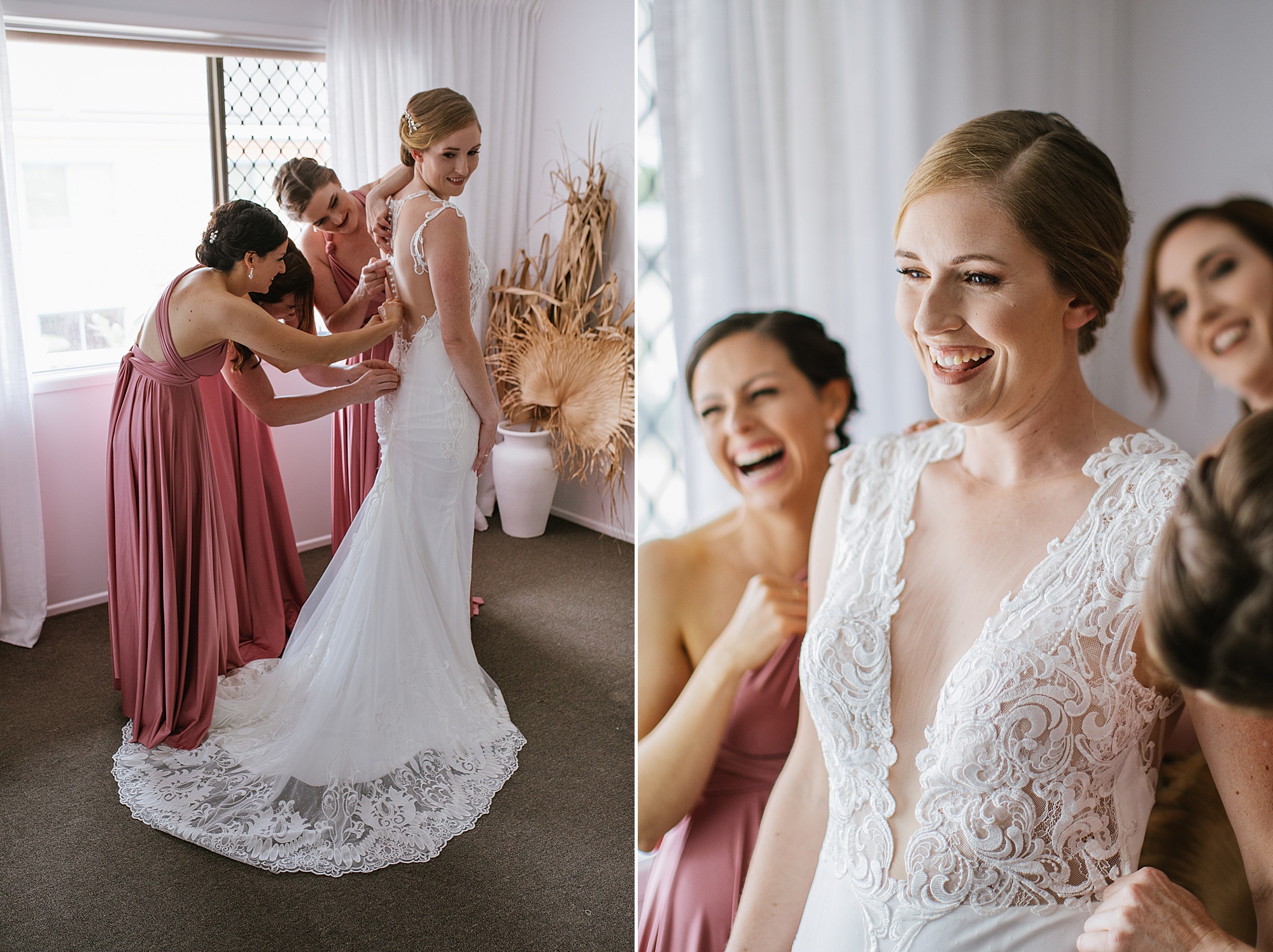
The getting ready portion is often underestimated. Hair and makeup finishing touches, detail shots, candid moments with bridesmaids, putting on the dress, and parent reactions all take time.
I always recommend starting earlier than you think you need. Rushed mornings create stress that carries into the rest of the day. If the bride and groom are getting ready in different locations, you must factor in travel time for your photographer (and videographer if you have one). In Bendigo, travel between suburbs or venues may seem short, but it adds up quickly. Logistics tip: Choose getting-ready locations close to each other if possible. This allows better coverage without losing valuable photography time.
Where does the photographer start?
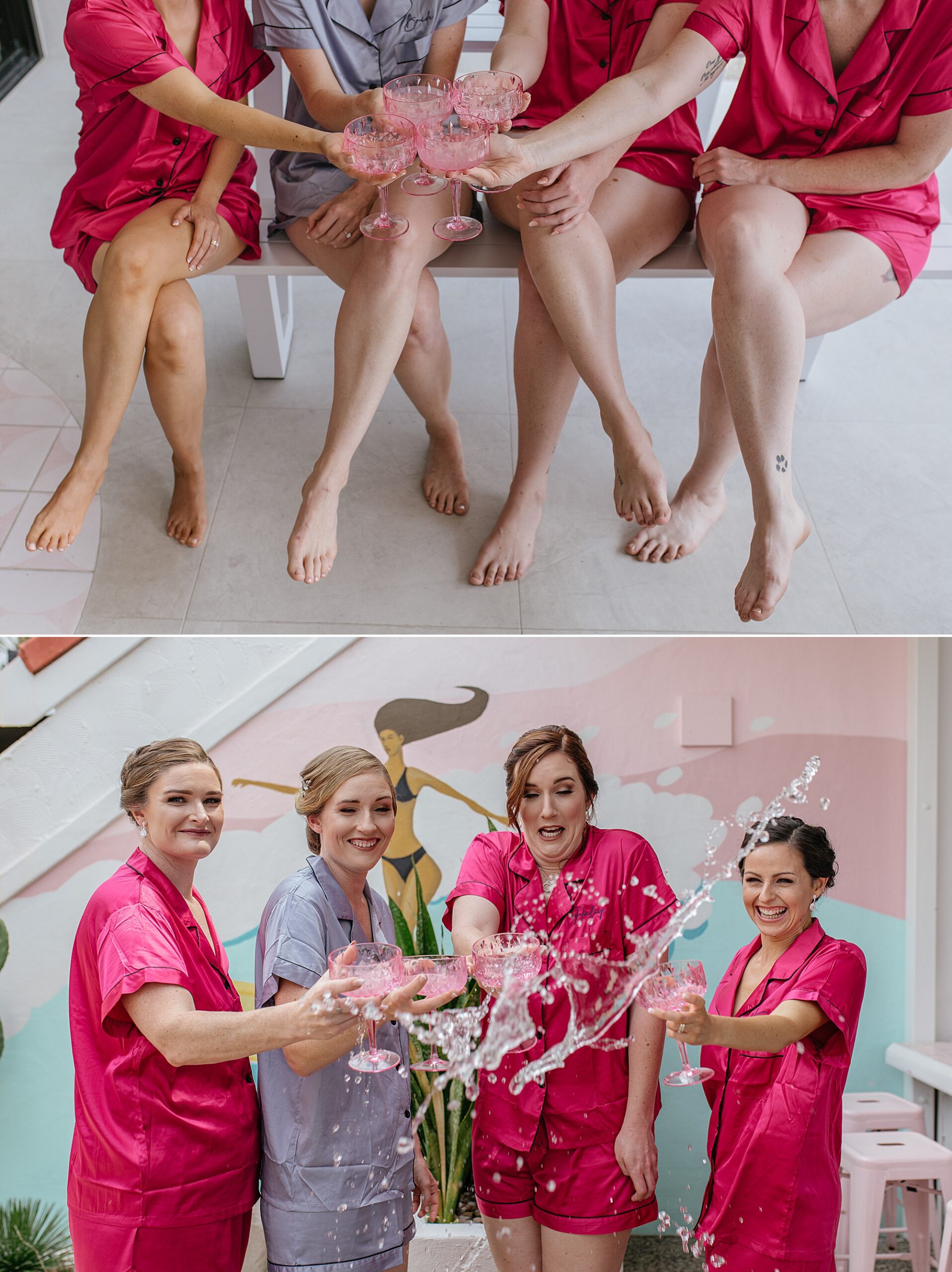
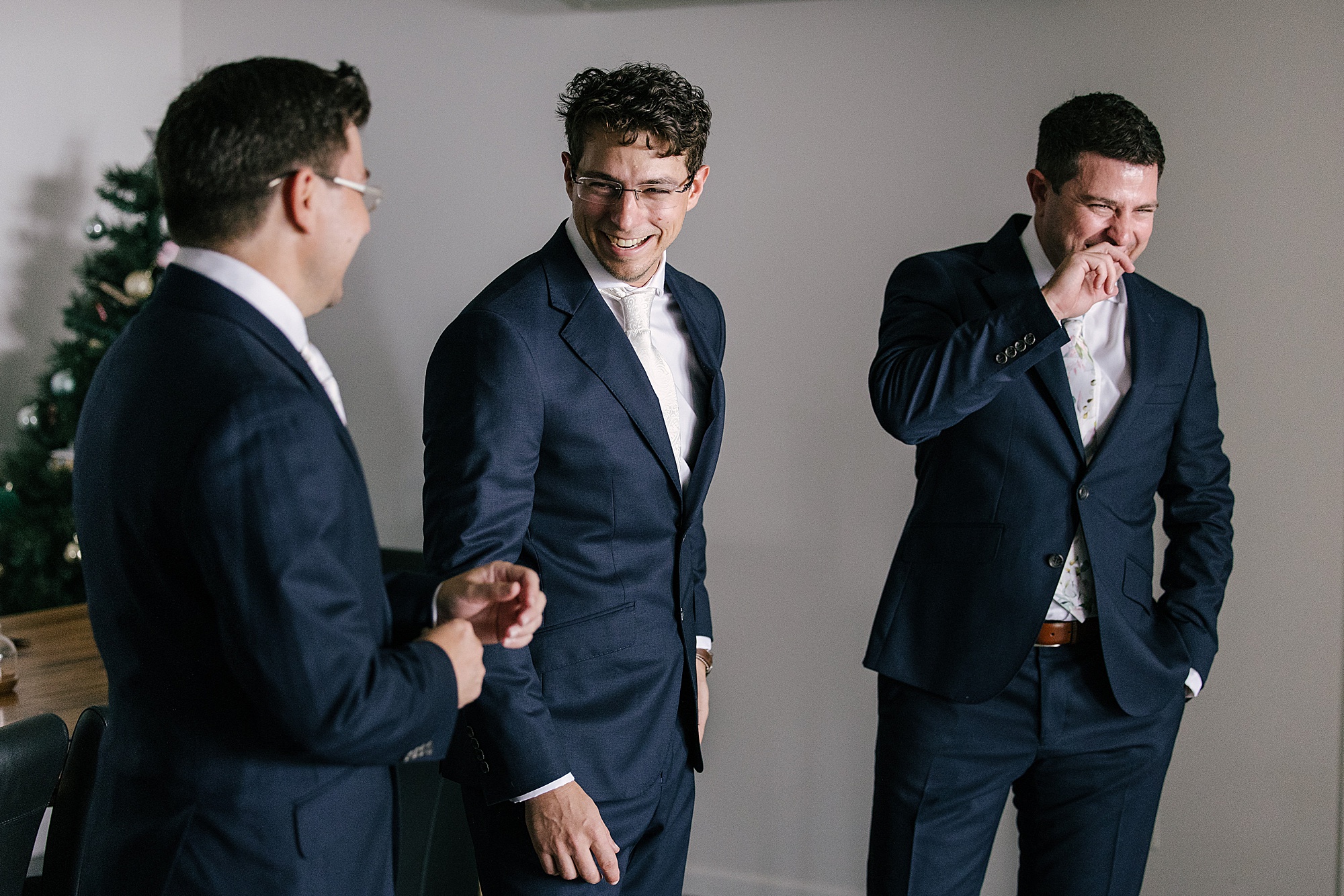
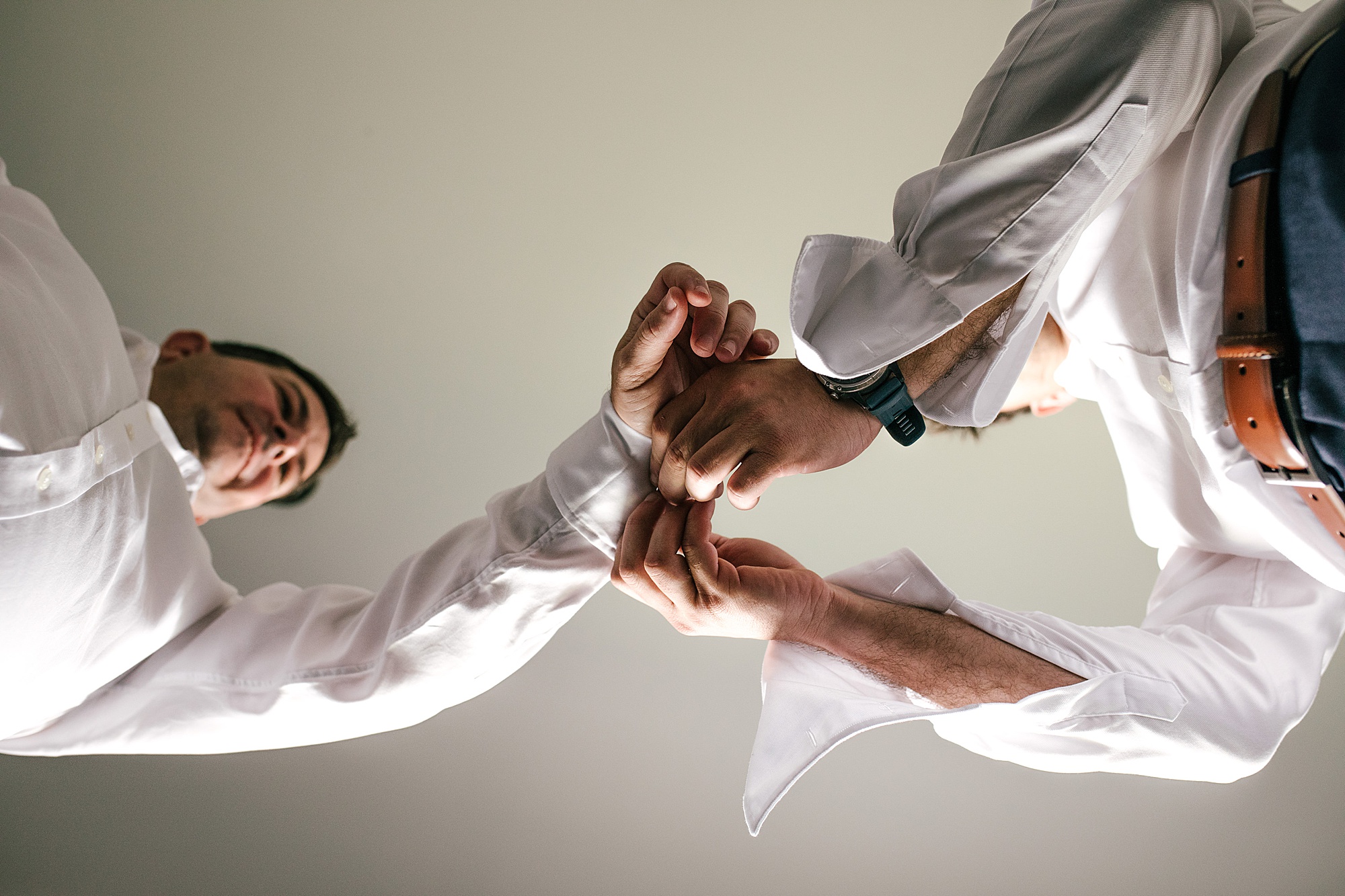
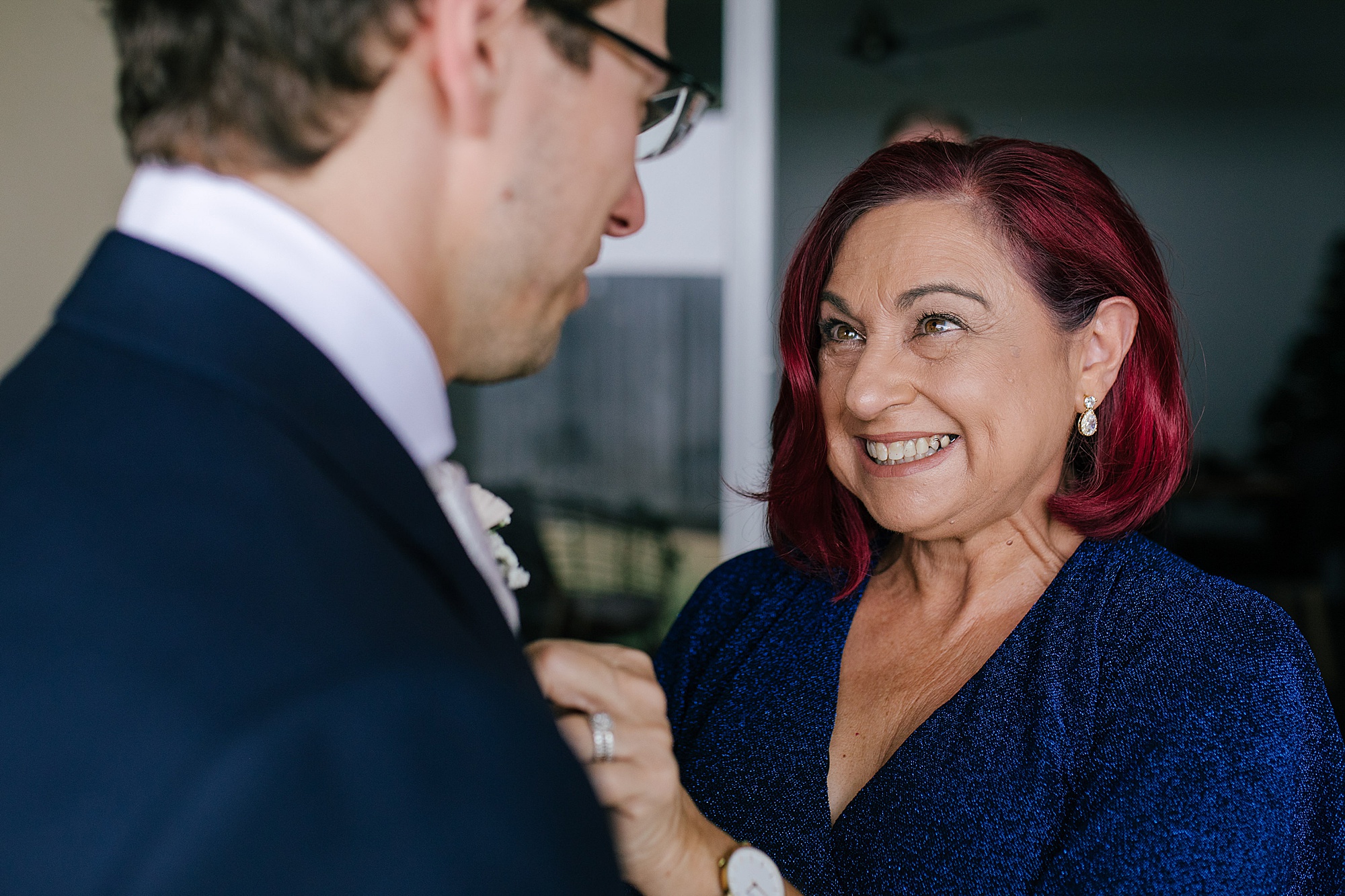
I always advise starting with the boys. I usually spend a shorter amount of time photographing the groom and his groomsmen because they prefer a quick and simple session. The bride and her bridesmaids, on the other hand, often need more time. With flower girls, rings, and a larger bridal party, plus all the little details and moments as everyone gets ready, I typically spend about an hour to an hour and a half with the ladies. This way, both groups get the coverage they need and the day flows smoothly.
- Boys (1h)
- Girls (1-2 h)
First Look (Optional – 20–30 Minutes)
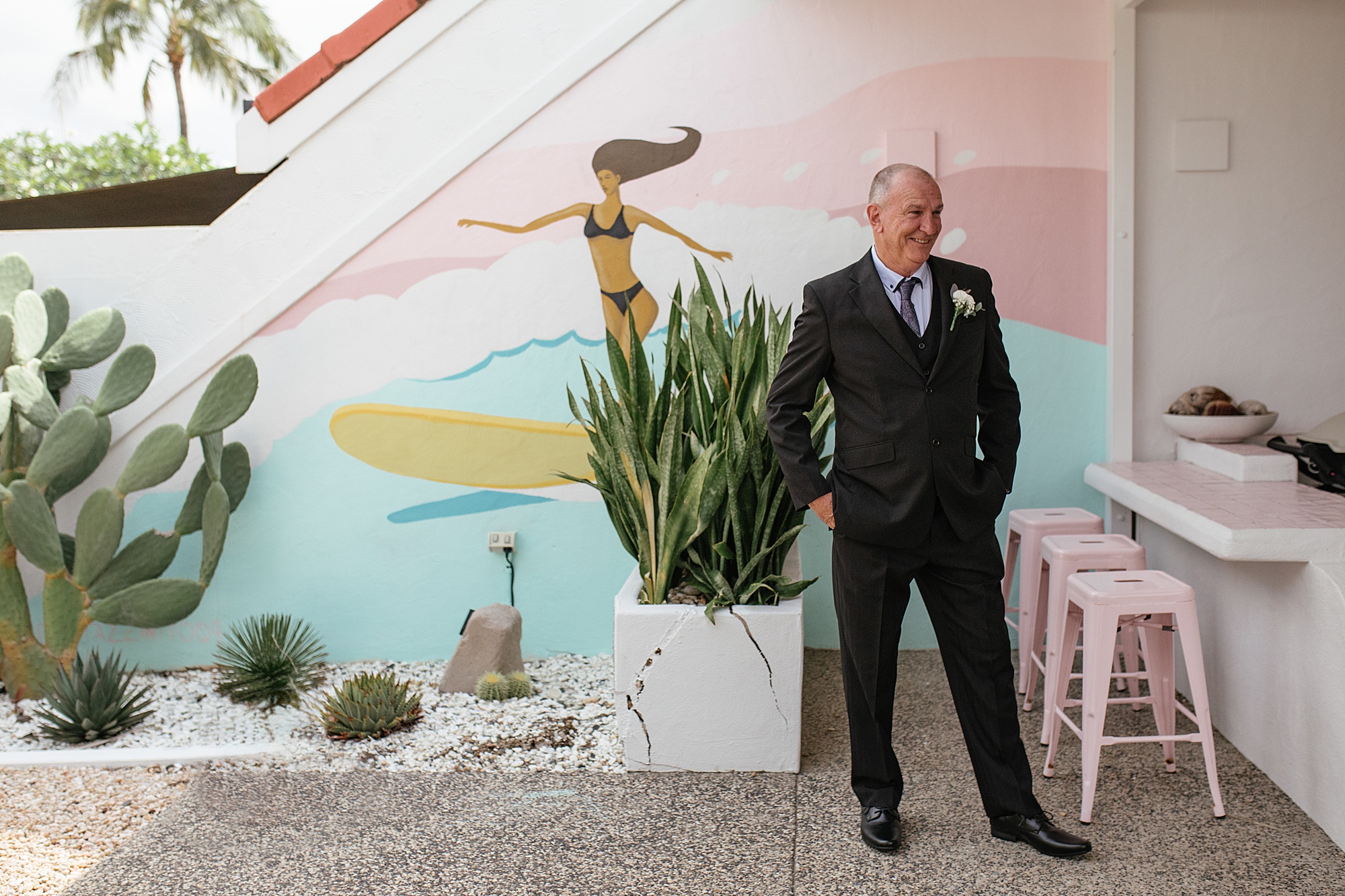
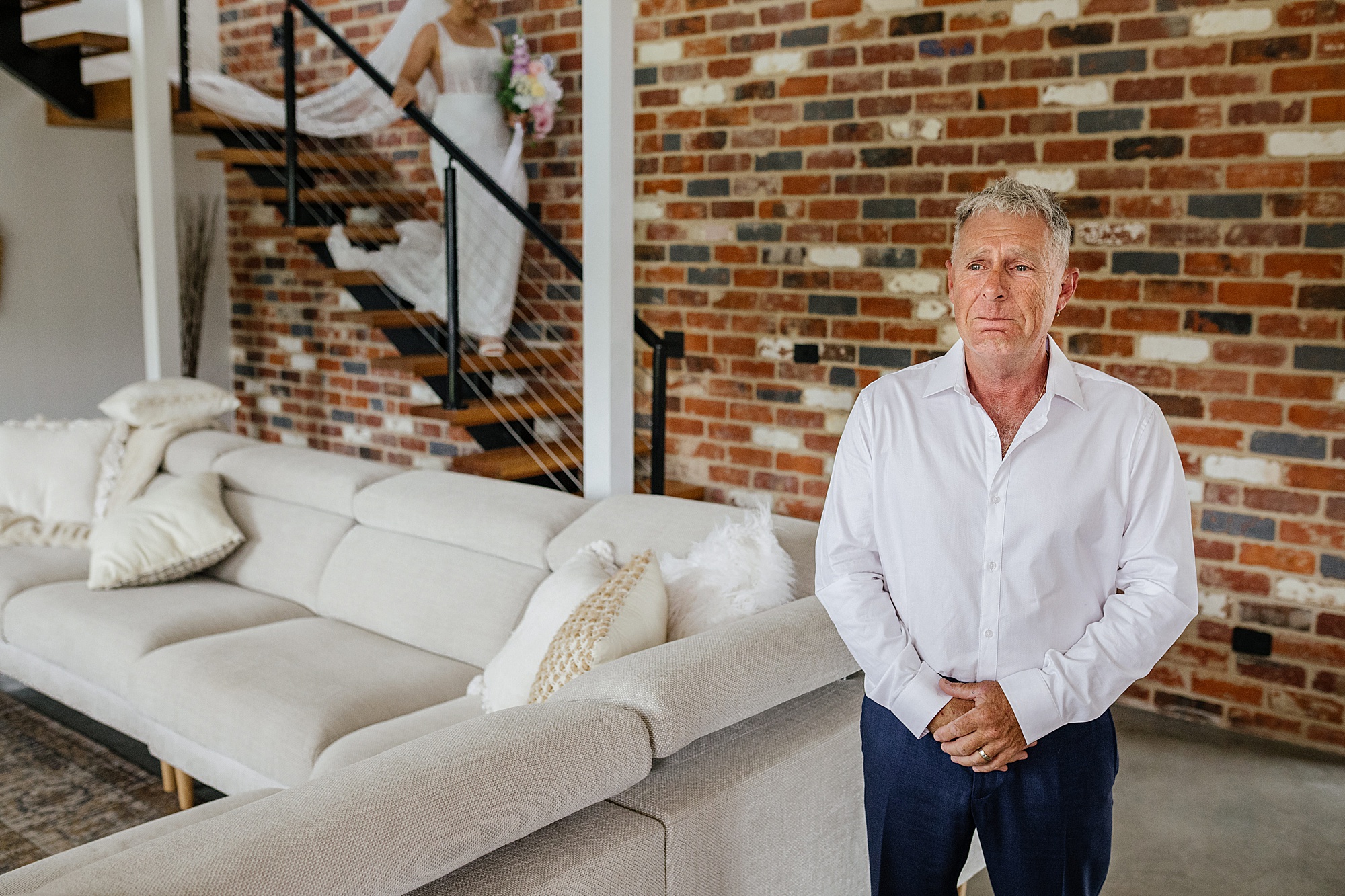
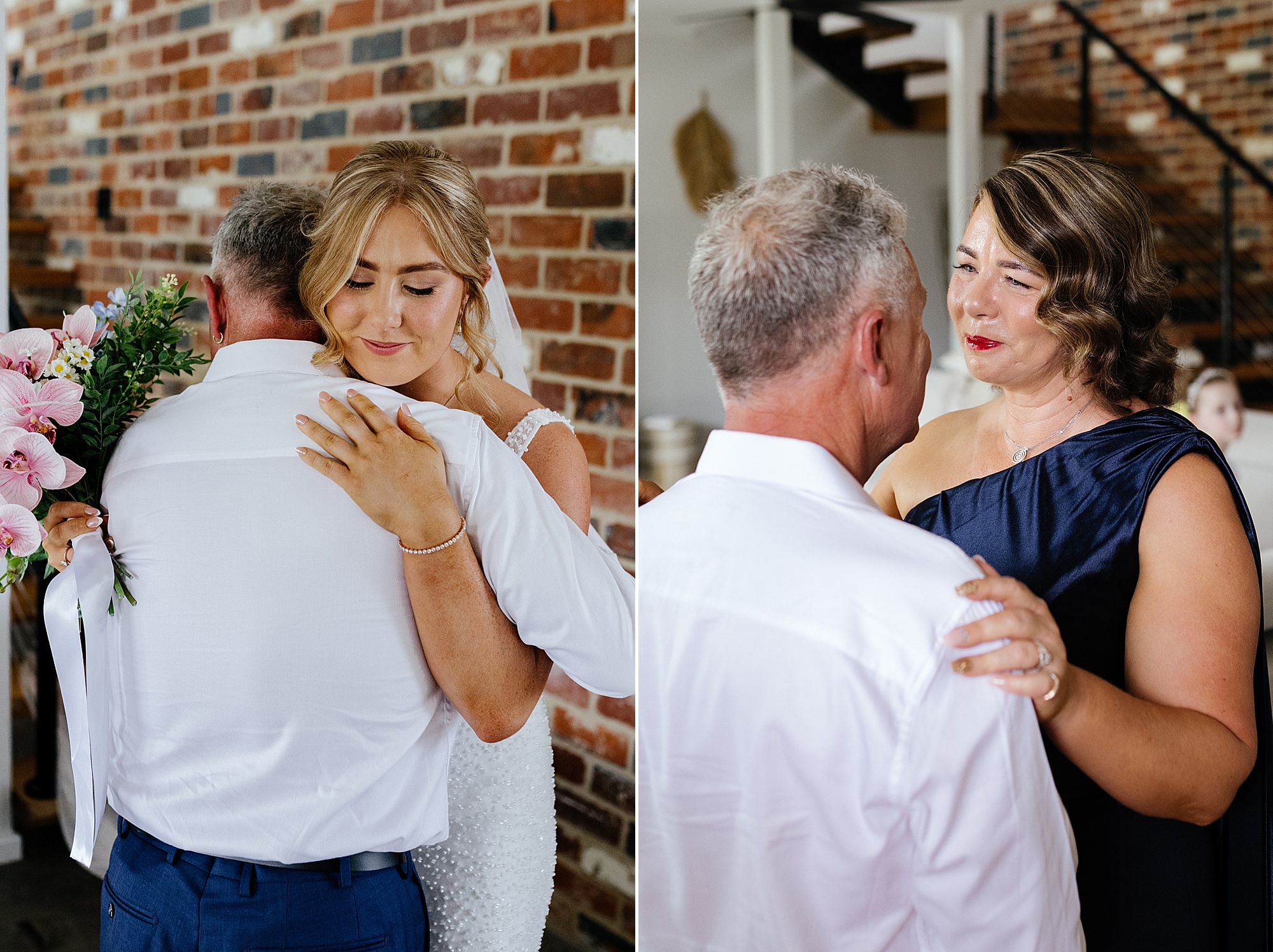
If you’re planning a special moment with your father, I recommend doing it just before leaving for the ceremony, and allow 15 to 20 minutes for it. Giving you enough time to share a card or a small gift if you’d like. That way, the moment is captured while you’re looking your best, and he gets to see you ready and radiant before the ceremony begins.
If you’re doing a first look with your partner, I recommend doing this before the ceremony when you both arrive at the venue. Allow at least 30 minutes for this moment with your soon-to-be husband, so you have time to enjoy it without feeling rushed, and for us to capture it beautifully.
Ceremony (20–45 Minutes)
Most Bendigo wedding ceremonies run between 20 and 45 minutes, depending on cultural traditions, readings, and religious elements. It’s important to check your ceremony start time against sunset time. The timing of your ceremony directly affects the light available for portraits.
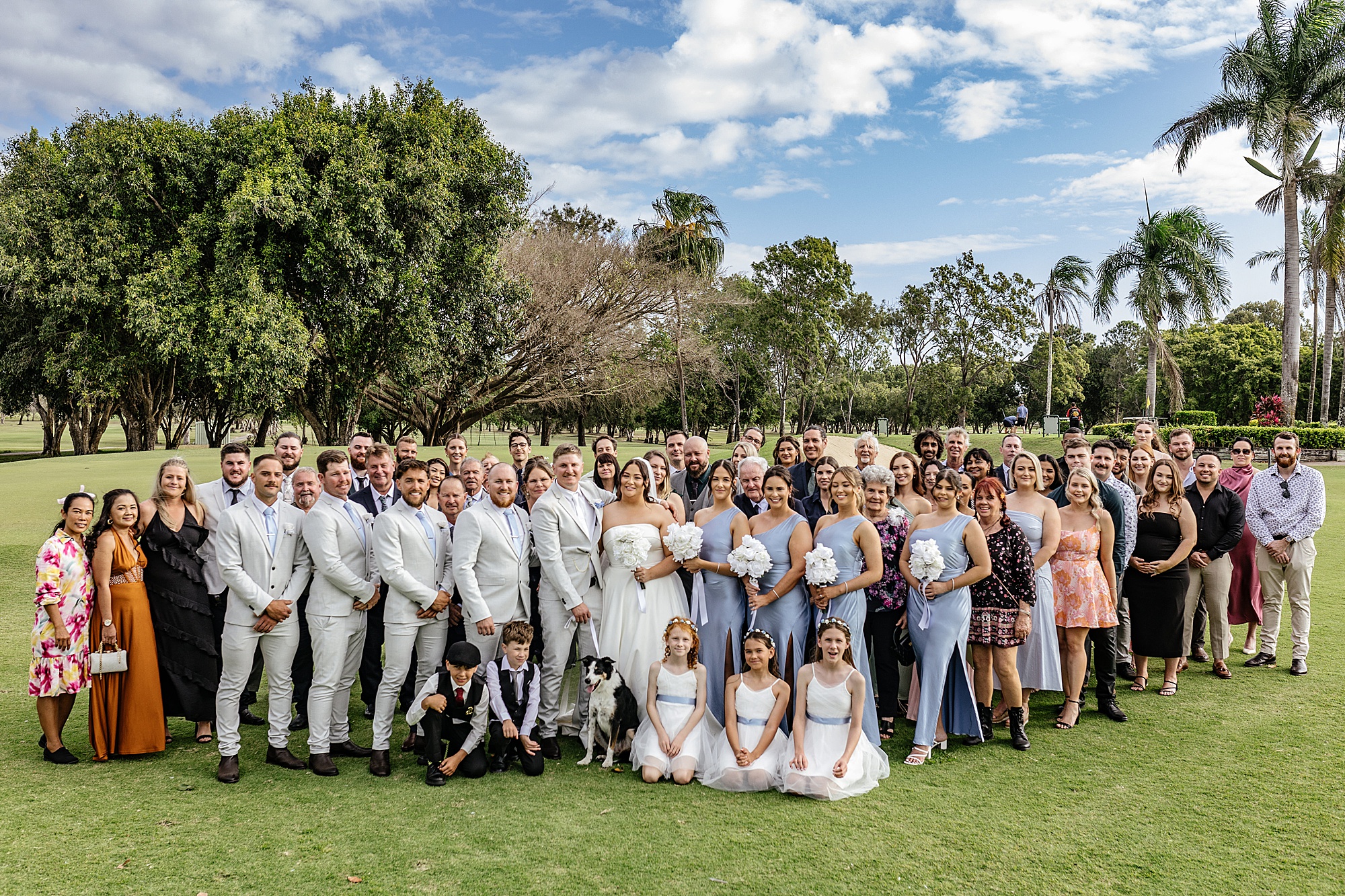
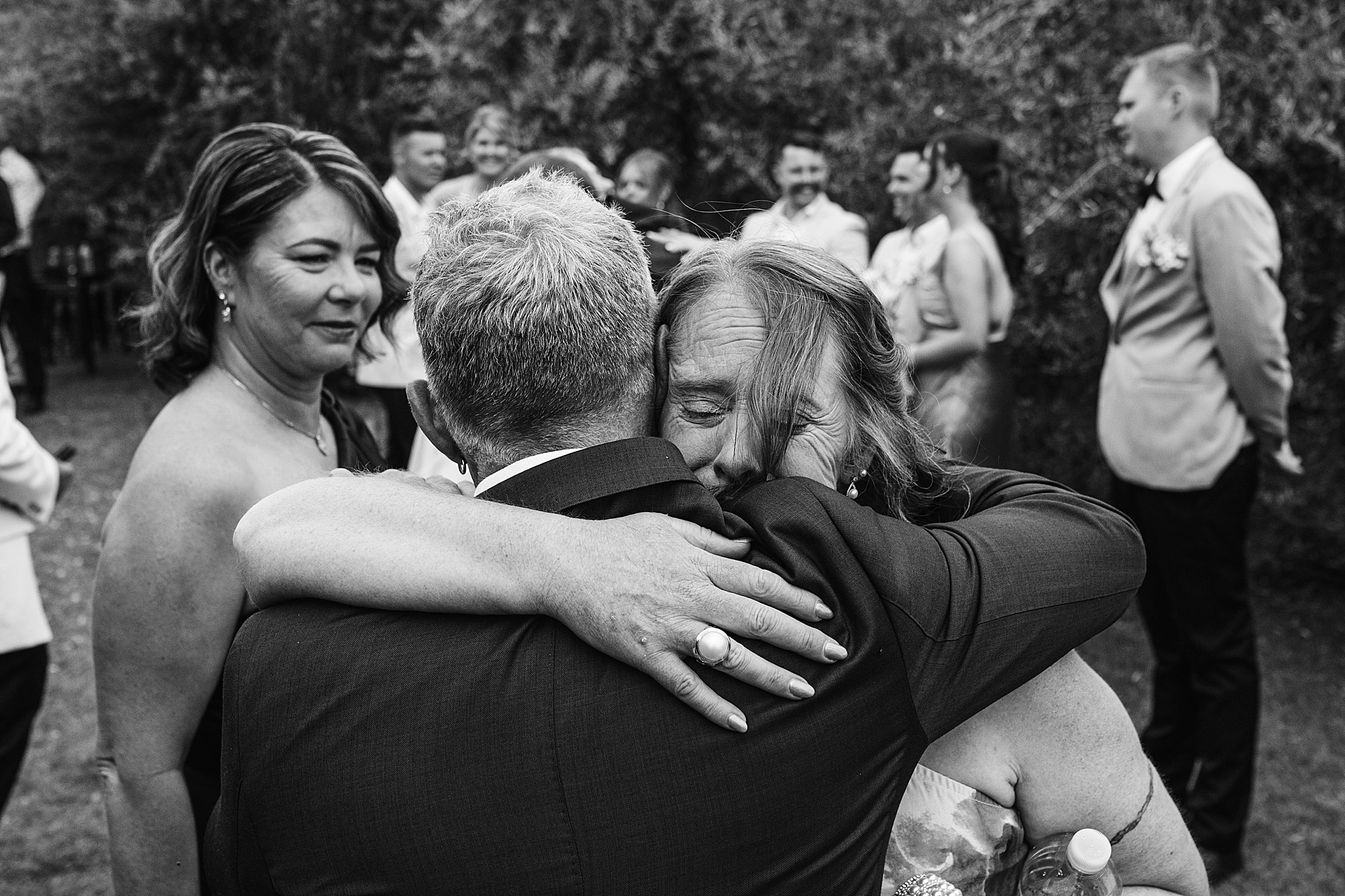
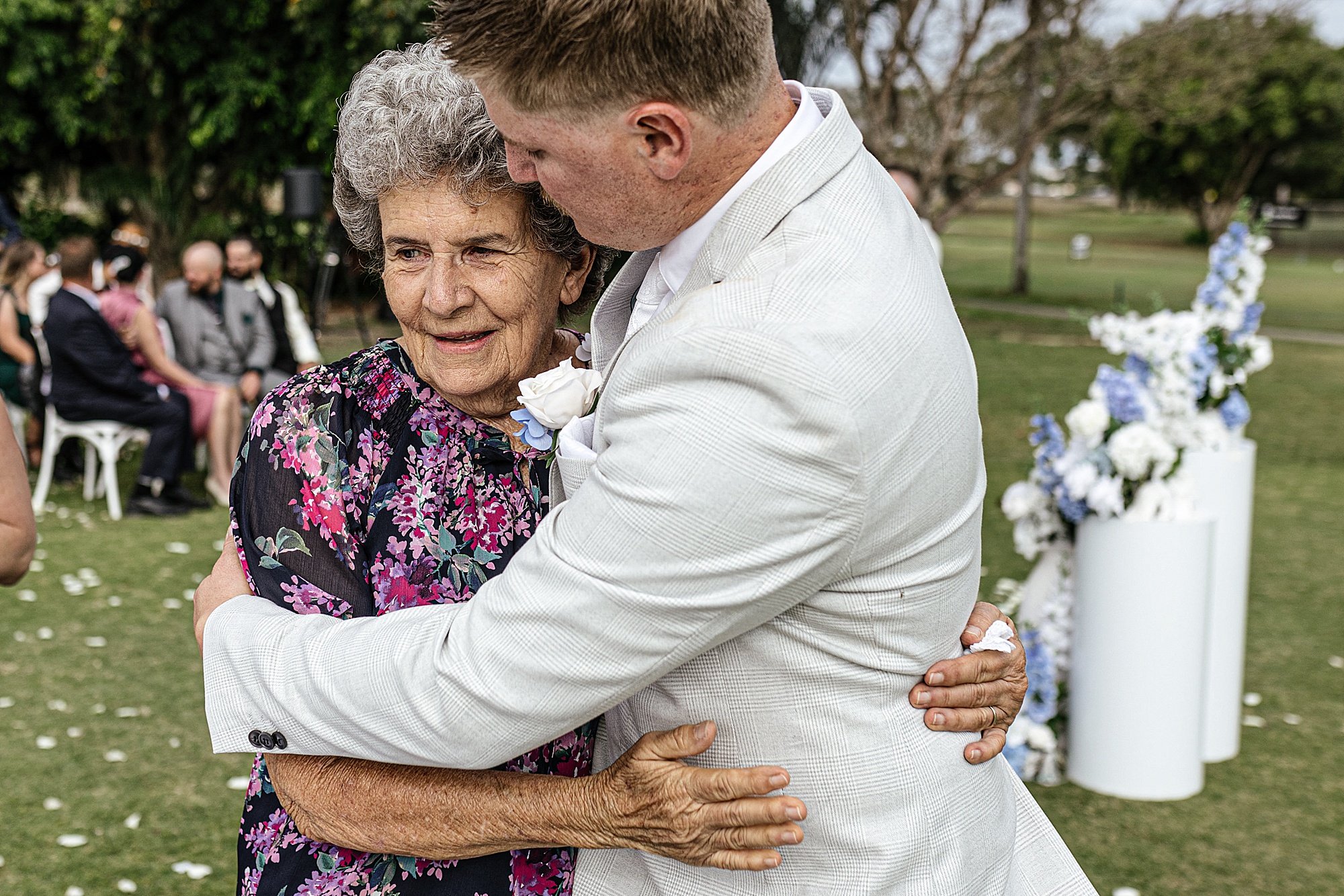
Group photo & Celebratory hugs (15-20 Minutes)
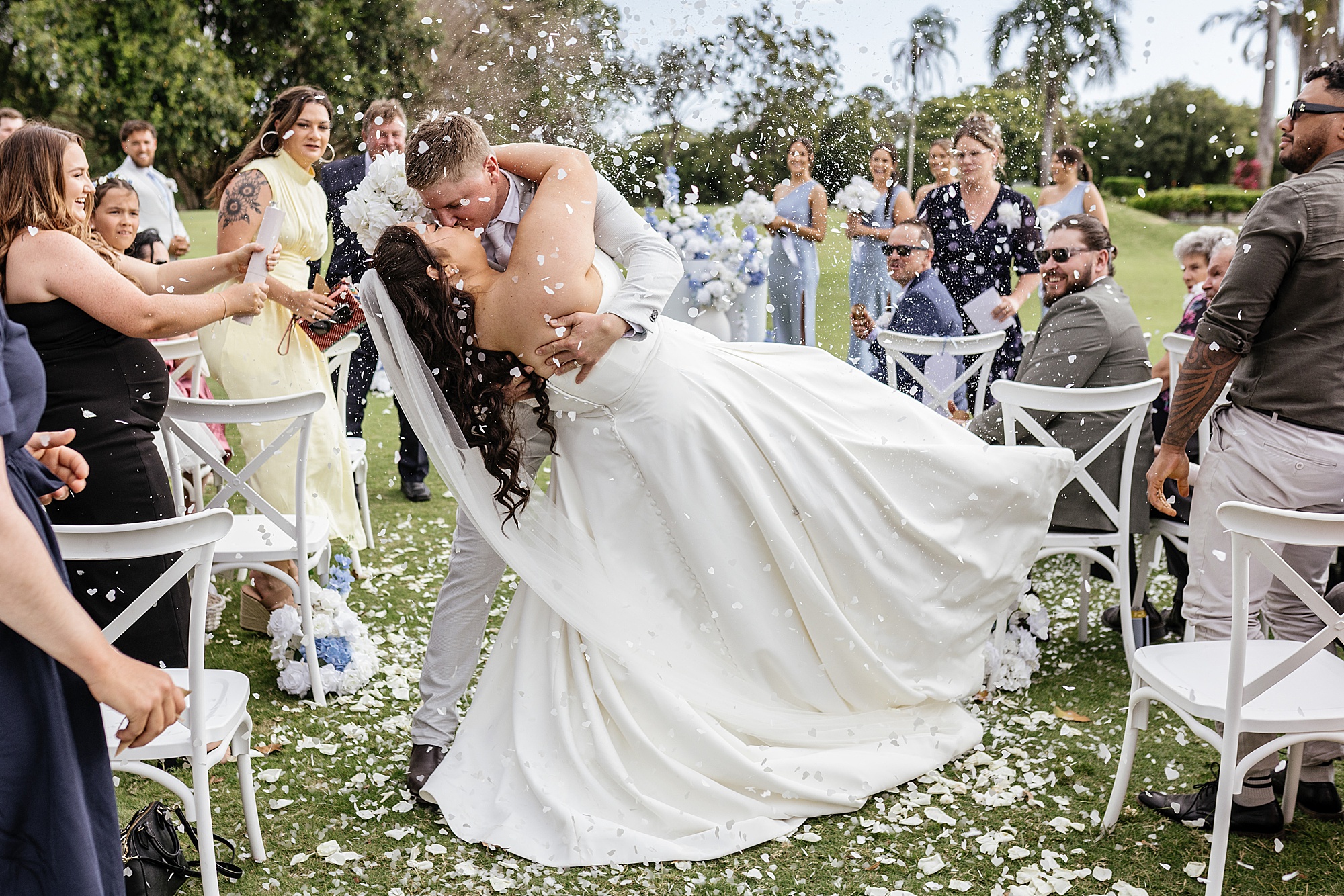
One of my favorite tricks is to intentionally carve out time right after the ceremony for a big group photo and a brief meet-and-greet with your guests. It might seem like a small moment, but this is when the excitement of your friends and family is at its peak. Capturing those genuine reactions — laughter, hugs, happy tears — creates some of the most spontaneous and heartfelt images of the day. I usually recommend setting aside 15 to 20 minutes for this, so it doesn’t feel rushed and you can really soak in the joy of just being married.
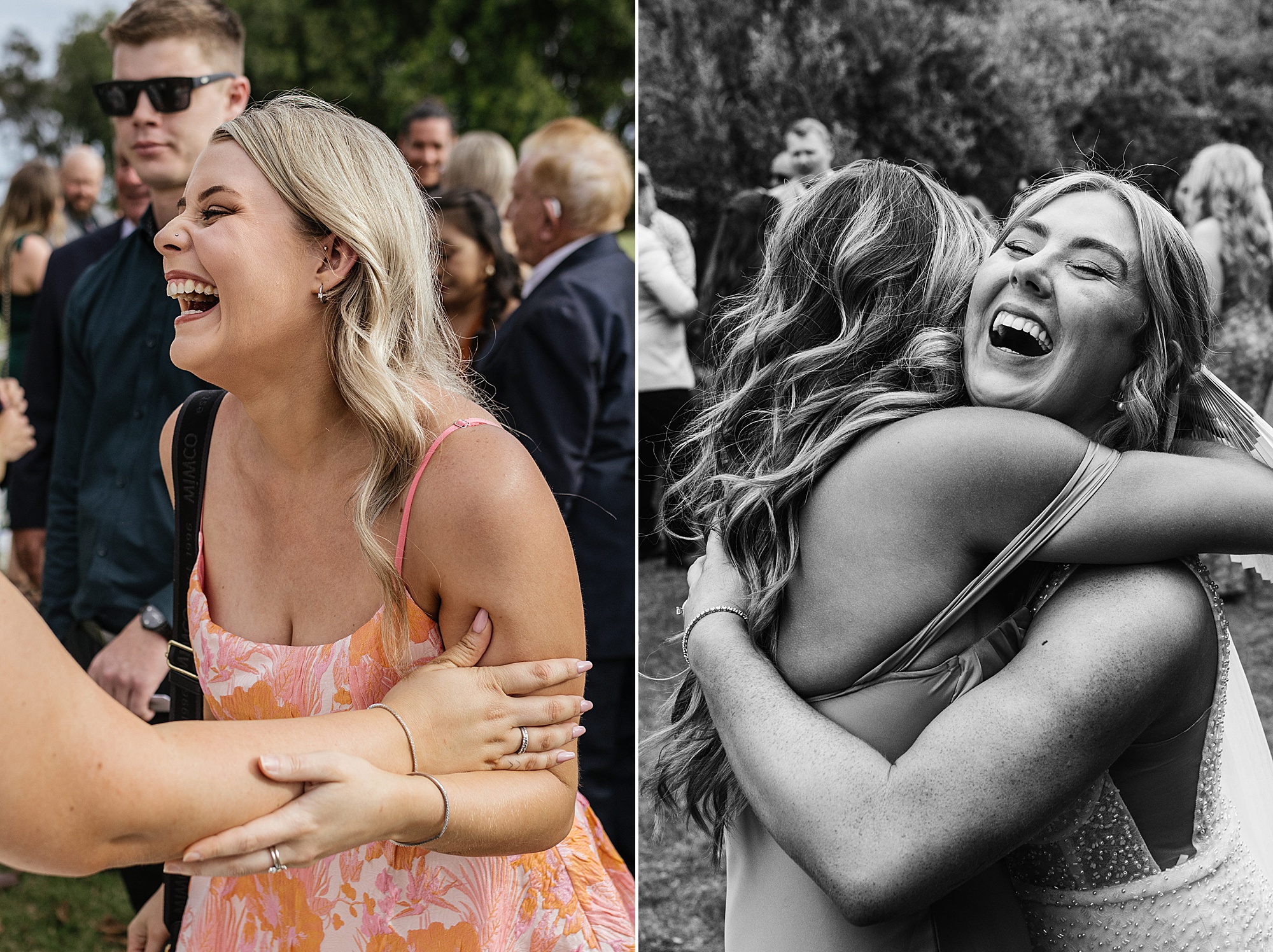
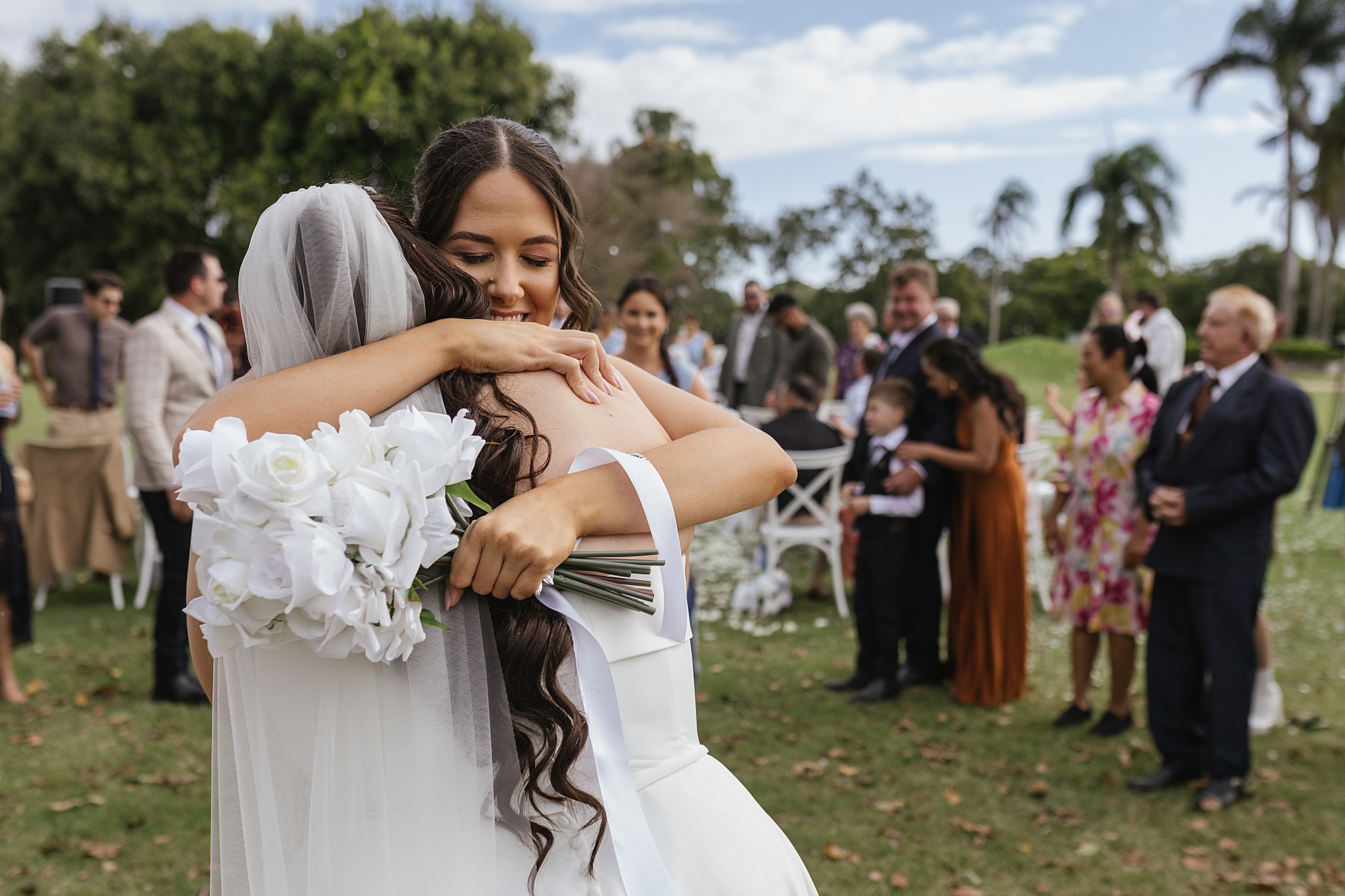
Family Photos (30 Minutes-1h)
Family photos can easily become stressful if they aren’t planned. The best way to keep things running smoothly is to have a pre-written list of the essential group combinations. This way, everyone knows who should be in each shot, and the process moves quickly. It also helps to have one person from each side of the family act as a “photo wrangler” to gather people while I focus on capturing the moments. I usually start with the largest groups first and then move on to smaller, more intimate combinations. The amount of time needed really depends on your family and the size of your wedding. For a smaller family, about 30 minutes is usually enough, but larger families may need closer to an hour to get everything done without feeling rushed.
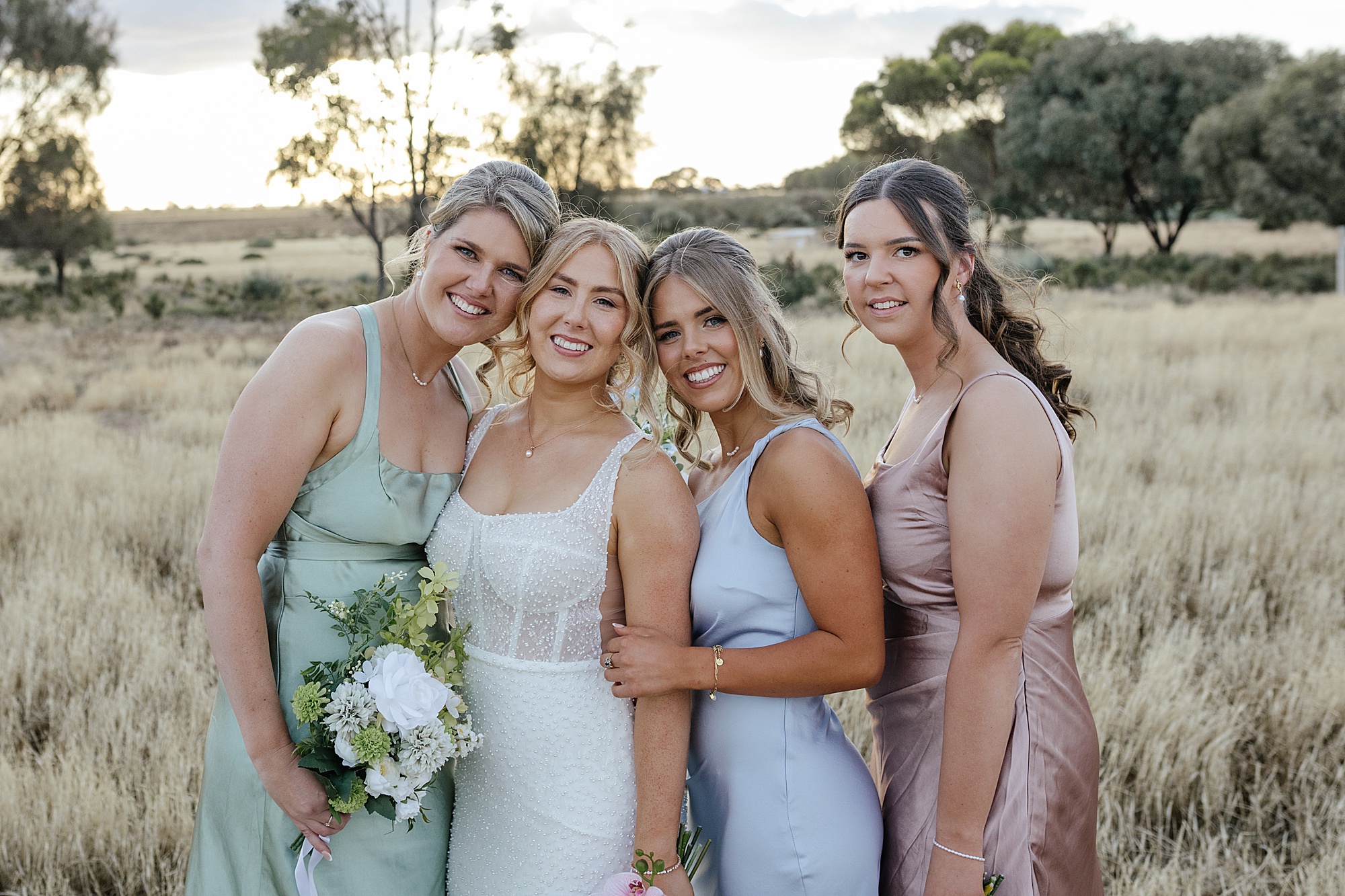
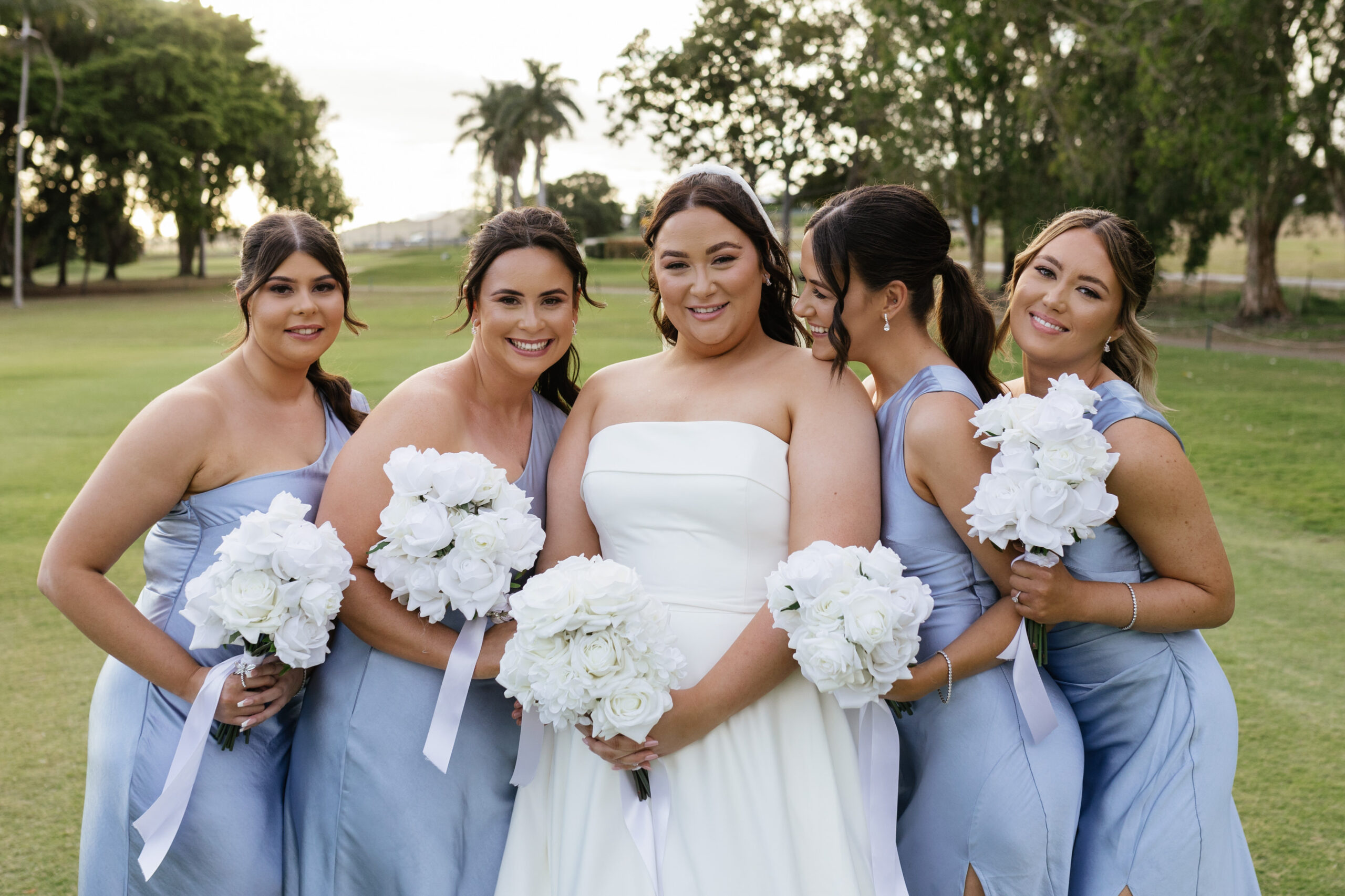
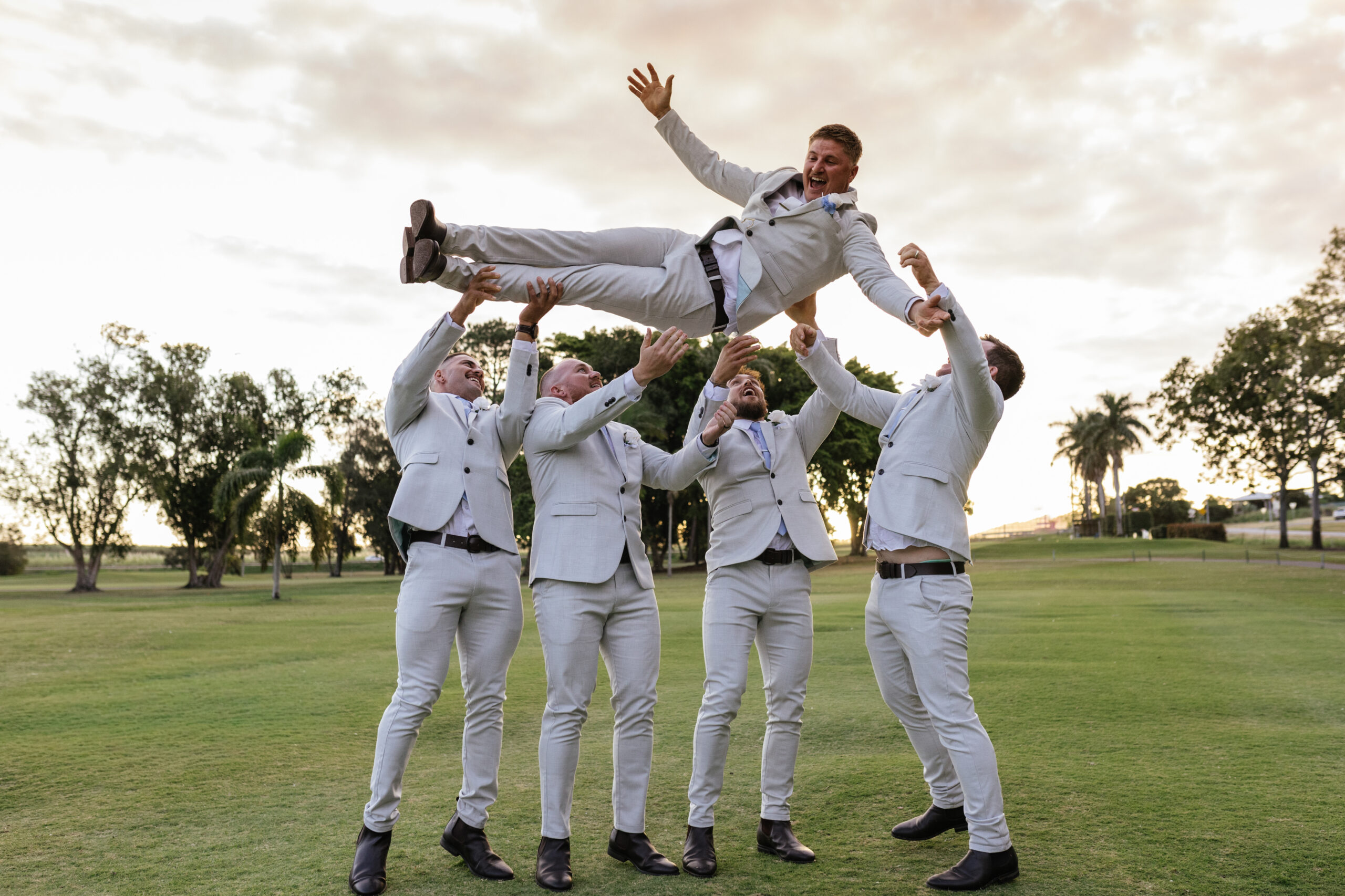
Bridal Party photos (30-45 minutes)
After family photos, it’s time for the bridal party photos. If your wedding is in spring or summer, when the sun sets late, you can often do these right away, especially if there are shaded areas to keep everyone comfortable and avoid harsh sunlight. This also allows you to save the best golden hour light for the bride and groom portraits later. You have a couple of options.
OPTION A:
You can do 30 to 45 minutes of bridal party photos immediately after the family photos, keeping the day moving smoothly.
OPTION B:
Or, you can let your guests enjoy some canapés and mingling while waiting for softer light, then capture the bridal party photos alongside the couple portraits. The choice really depends on the time of year, the layout of your venue, and whether there are trees or other shaded areas, as these can make it easier to get beautiful photos even when the sun is still high.
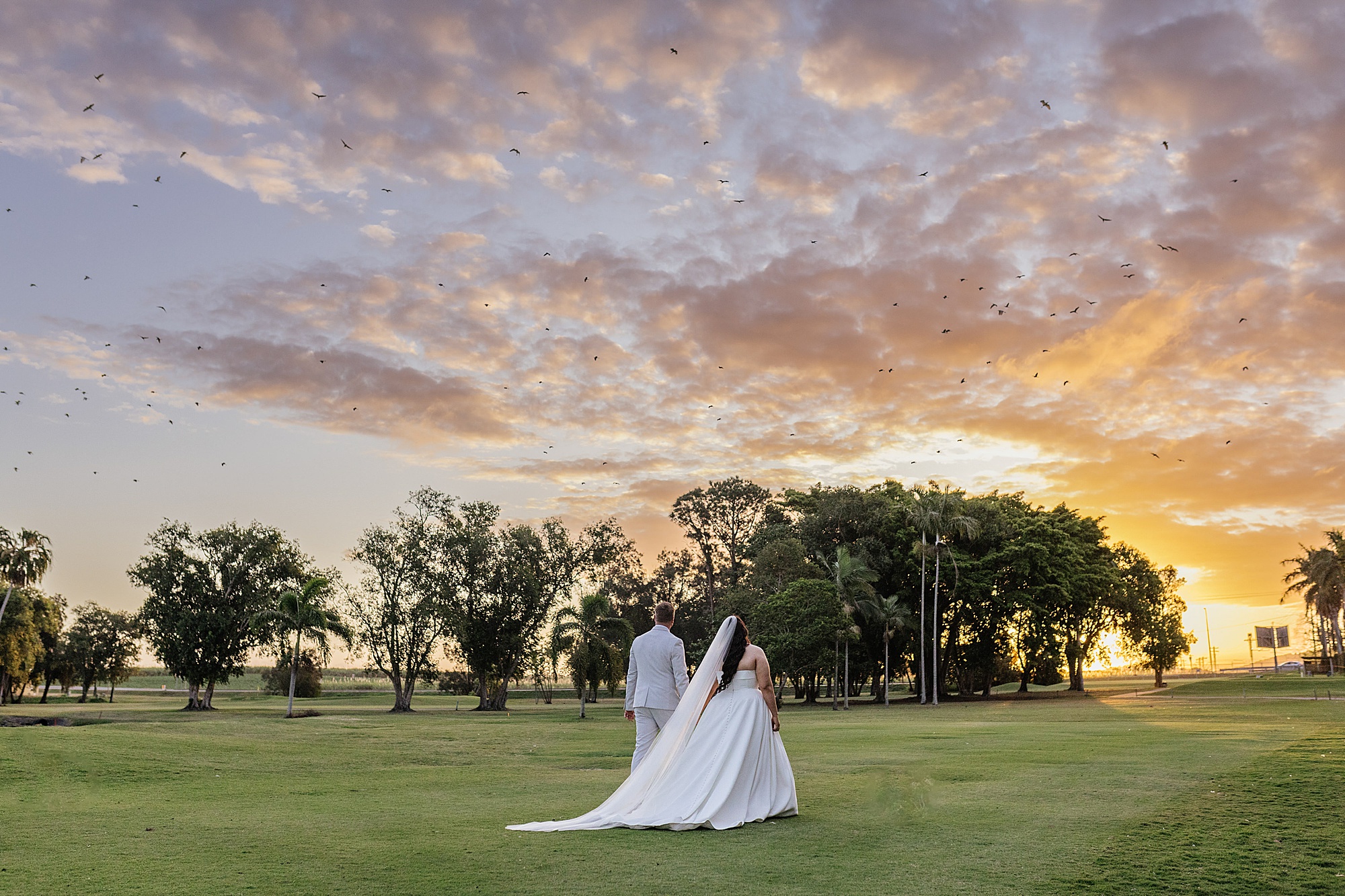
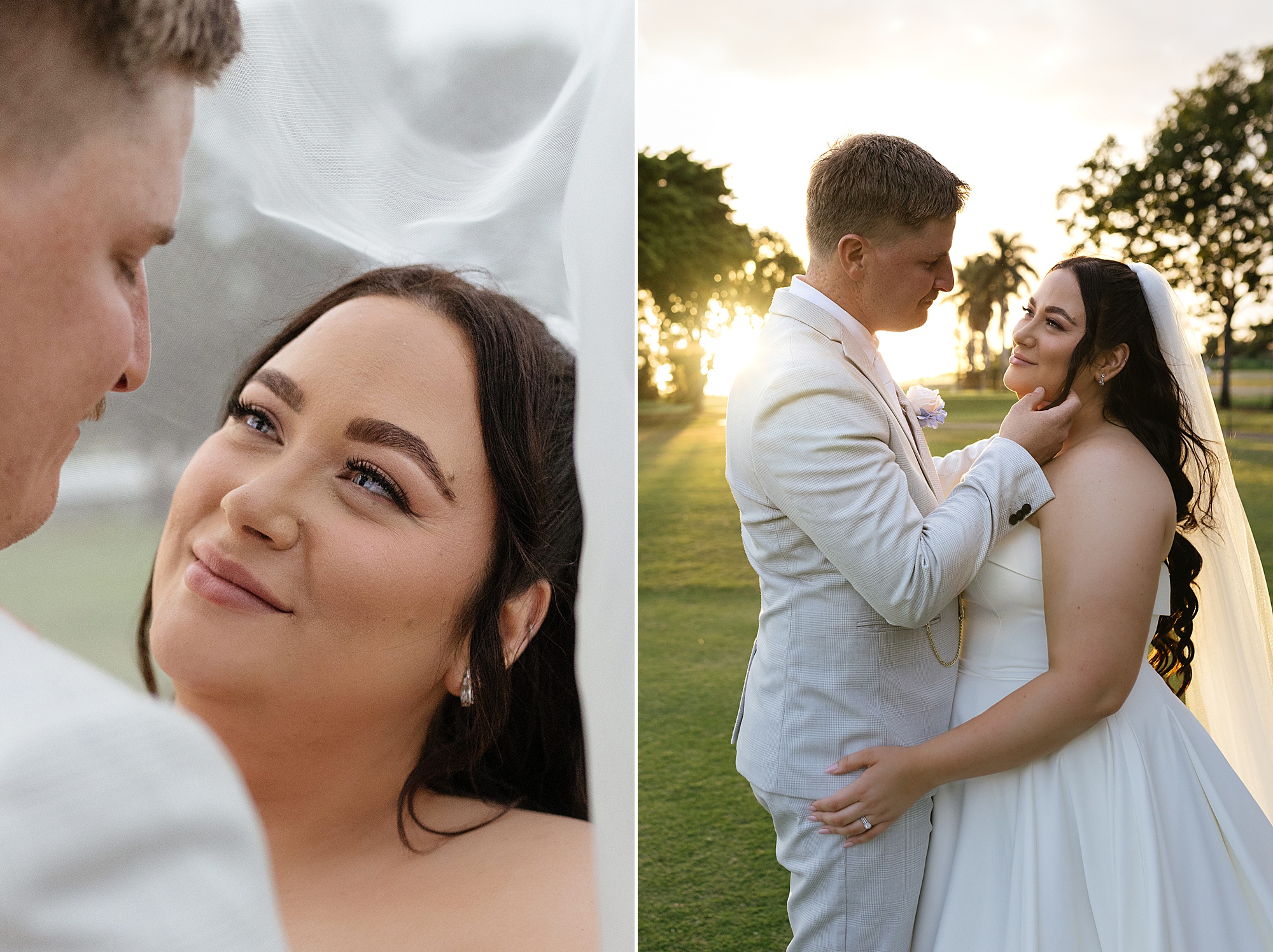
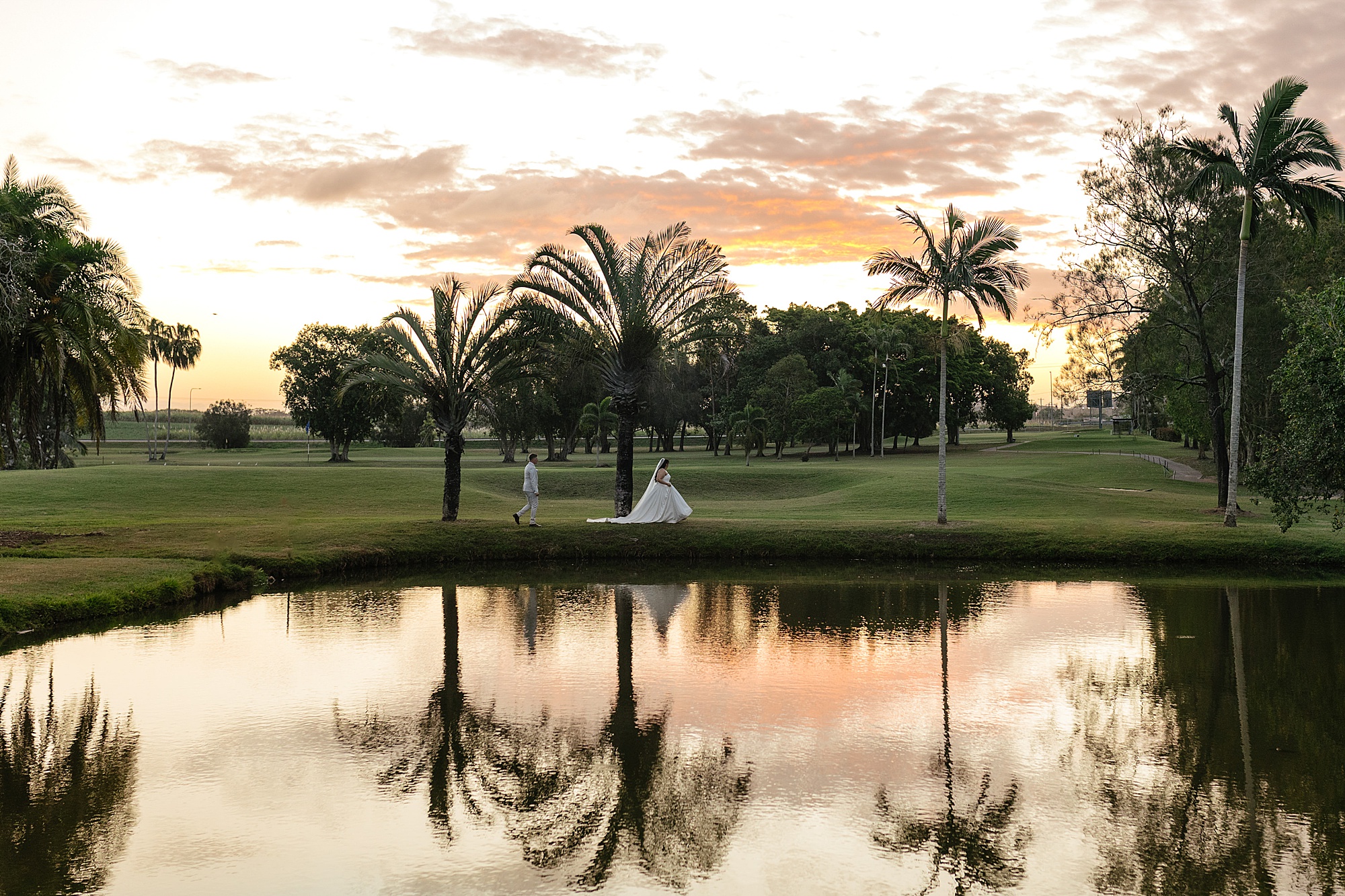
Golden hour Couple Portraits (30–45 Minutes)
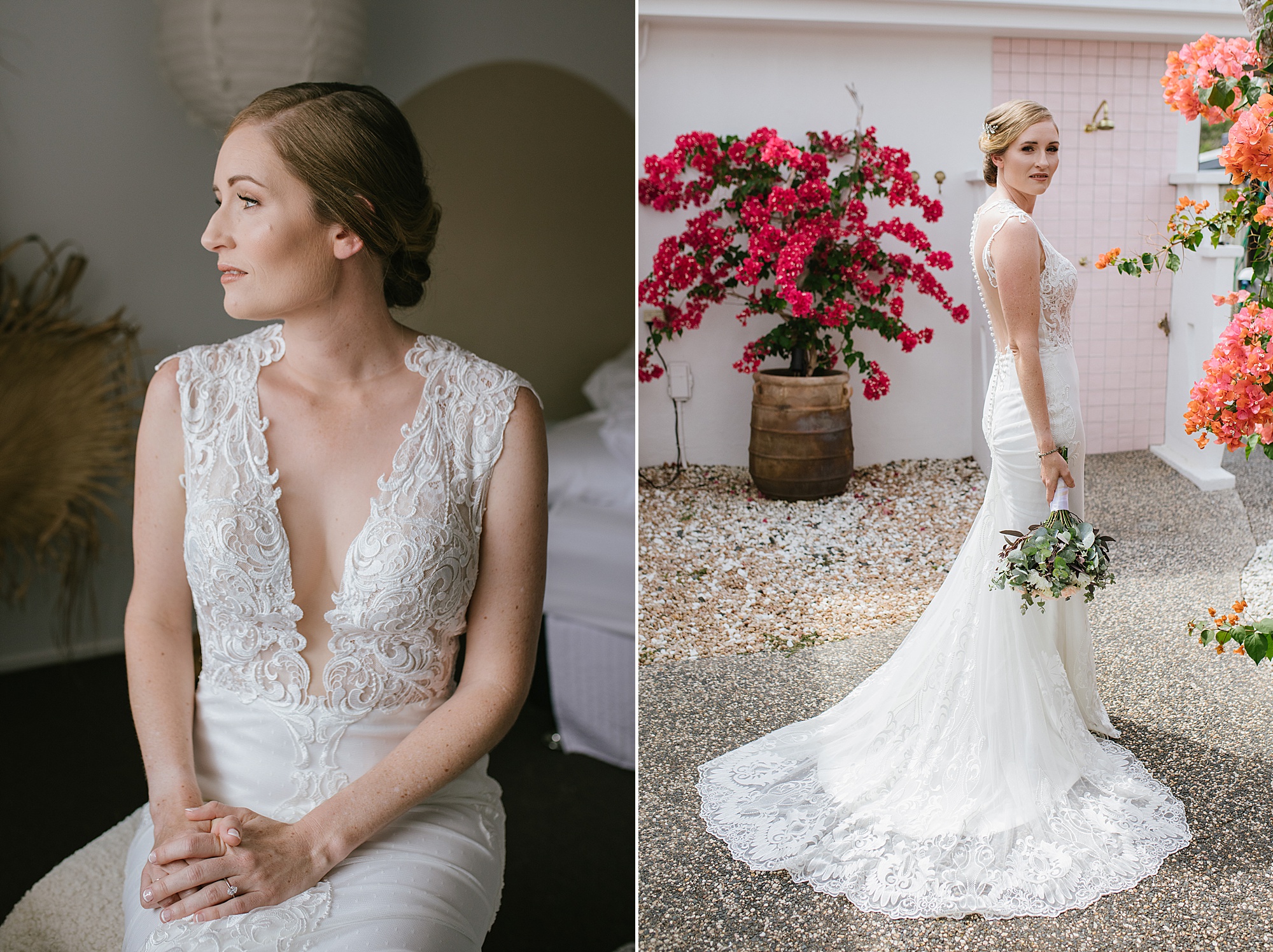
The golden hour couple portrait is one of my favorite parts of the day because it’s a sacred moment just for the bride and groom. This is usually the only time they get 20 to 30 minutes alone with the photographer and videographer. It’s not meant to be stressful. Instead, it’s a chance to focus on each other, enjoy a few quiet moments together, and let the intimacy of the day really sink in without guests or family around.
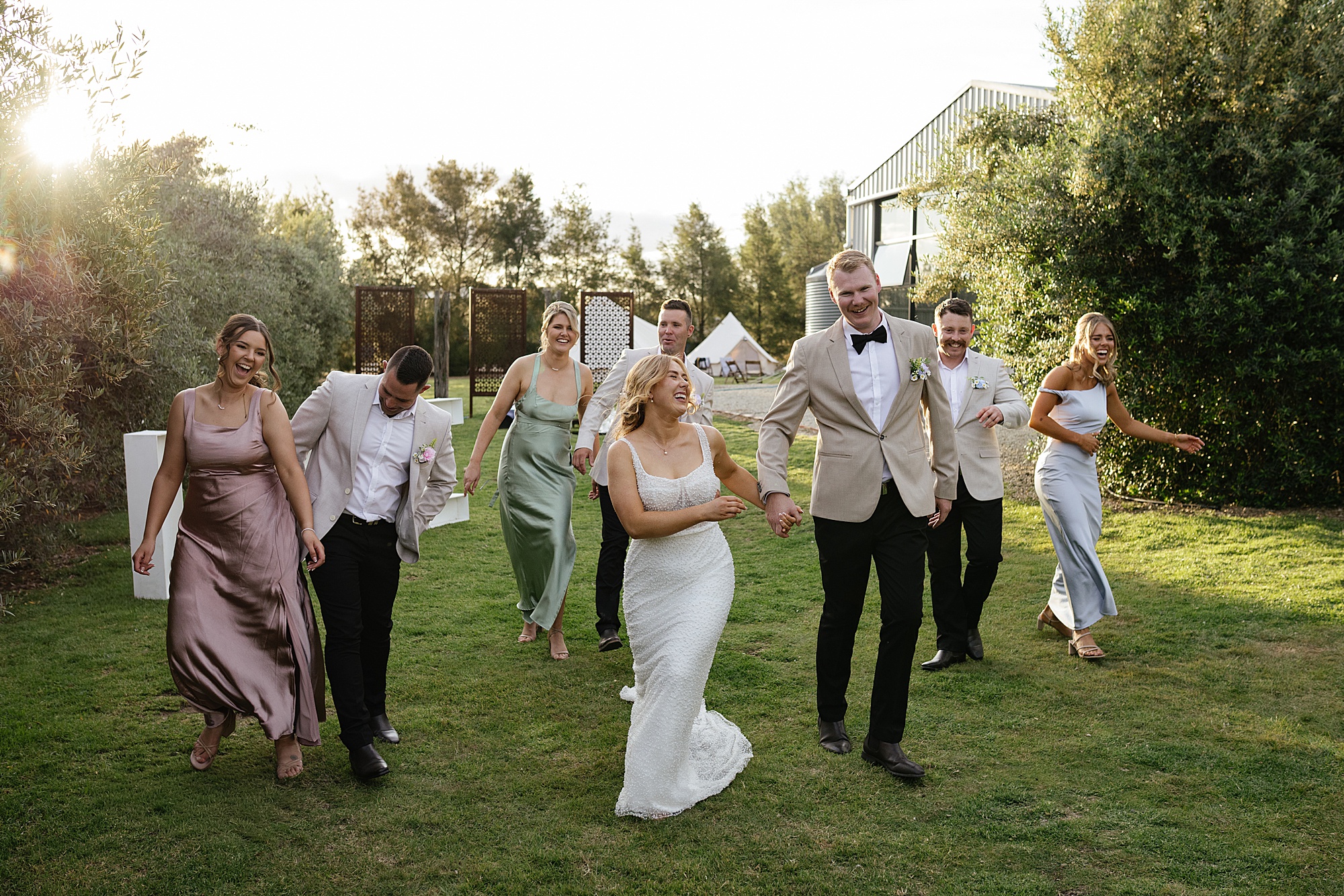
Timing is key for these portraits, and planning it carefully makes all the difference. For example, if the sun sets at 7:30, I would ideally want to finish by quarter past 7. That means starting around quarter to 7. This allows the couple shoot to run from quarter to 7 until quarter past 7, giving us a perfect 15-minute window before the sun is completely gone.
By planning this window, we ensure the photos are beautifully lit, naturally romantic, and capture the real connection between the bride and groom without feeling rushed. It’s a small part of the day, but one of the most meaningful.
Reception Coverage (2–4 Hours)
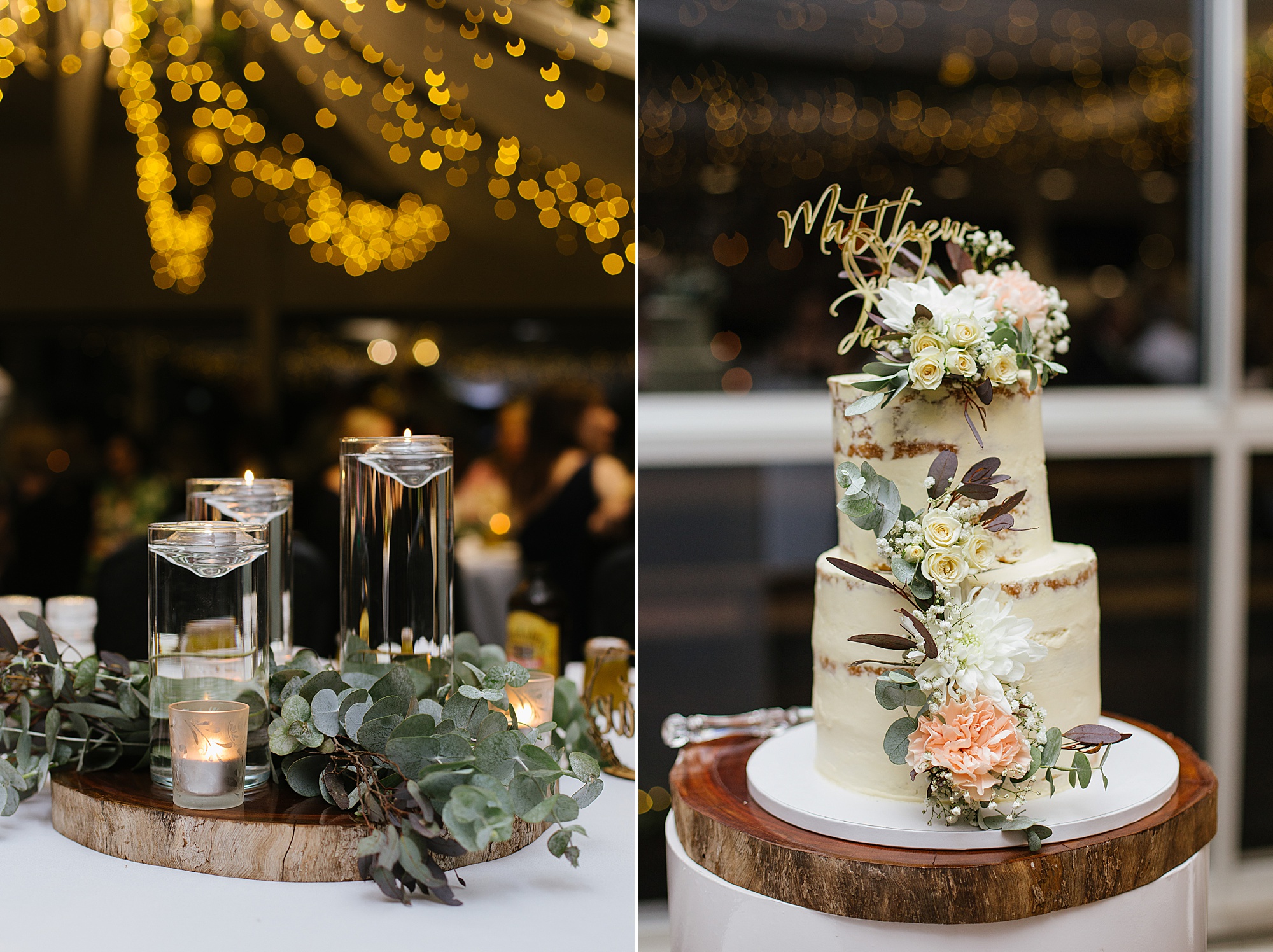
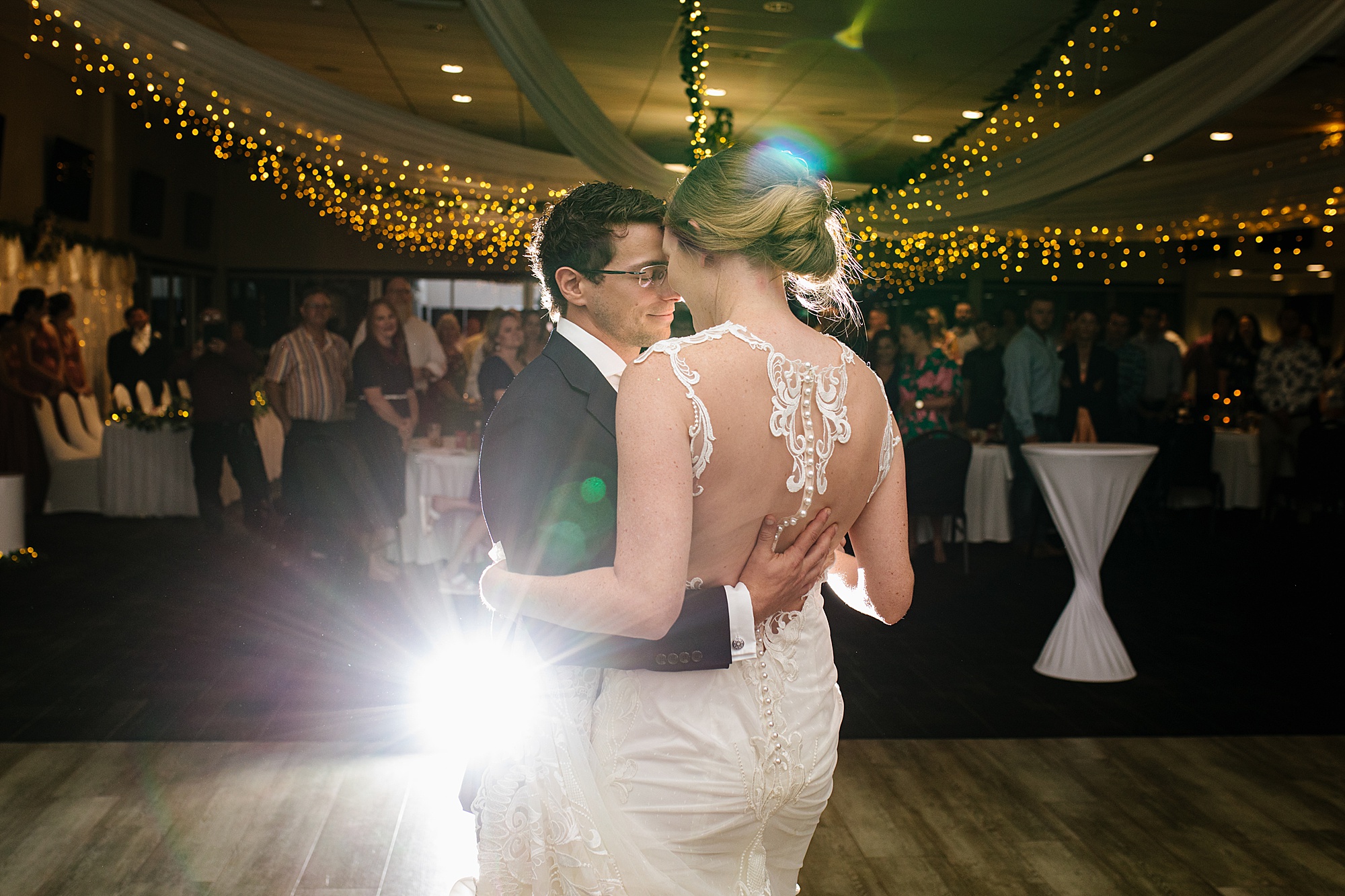
Reception coverage can look very different depending on the size of your wedding, how many hours you have your photographer booked, and how many formal proceedings you have planned for the evening. Typically, it includes moments like the grand entrance, speeches, cake cutting, first dance, parent dances, and of course, candid shots of your guests enjoying themselves.
The exact order of these events really depends on each couple, and I don’t usually prescribe a strict sequence. What matters most is spacing everything intentionally so the evening flows naturally and doesn’t feel rushed. For example, if you have multiple speeches, you don’t want them all back-to-back. You can use time for entrees or desserts in between to give guests a bit of breathing room and make the transitions feel relaxed.
Ultimately, reception coverage is about capturing all these important moments while keeping the day feeling effortless, so you can enjoy it alongside your friends and family.
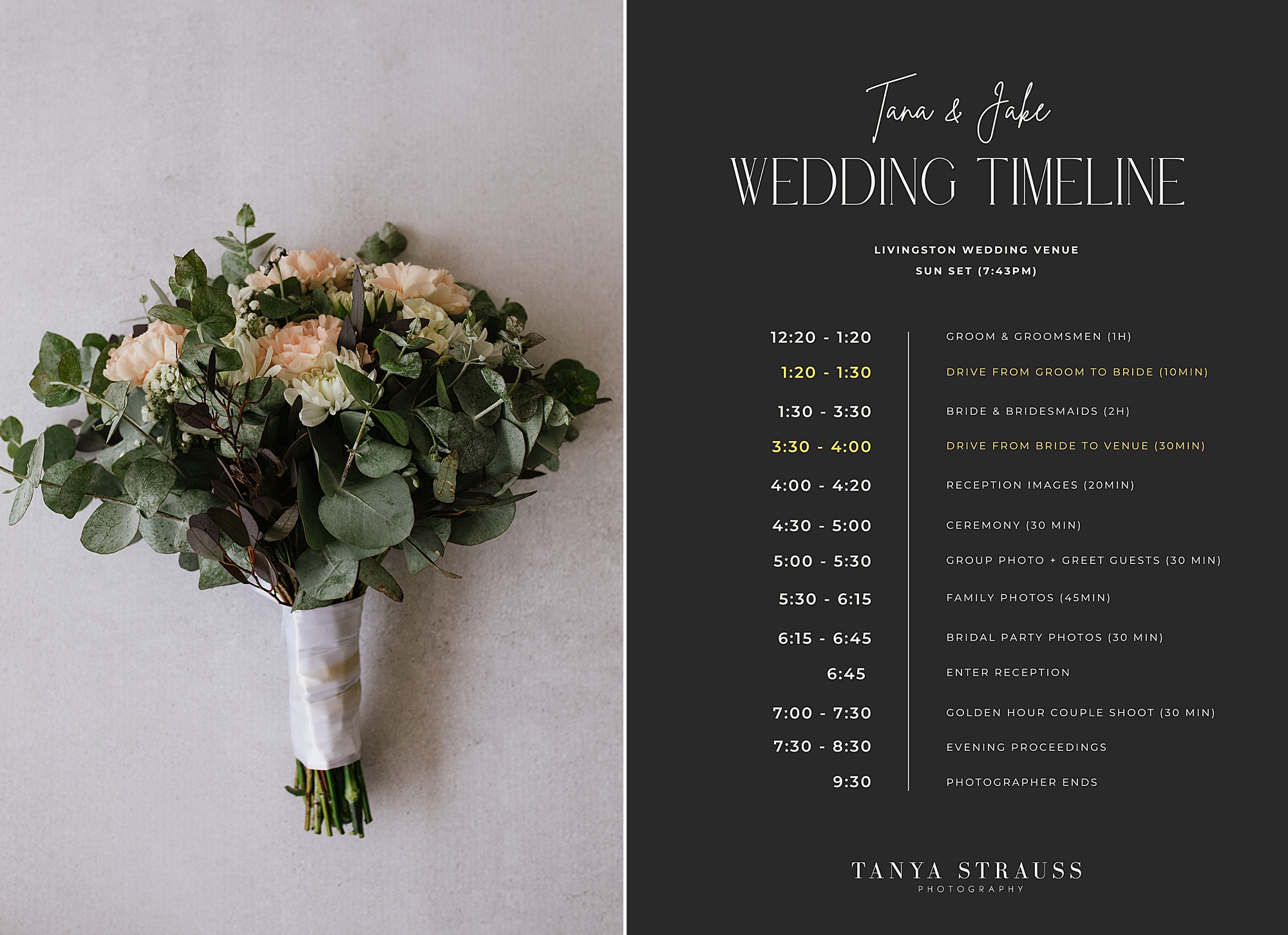
My Suggested Wedding Photography Timeline (Example Allocation)
Every wedding is unique, but here’s a realistic example of how I structured a wedding photography timeline for one of my Bendigo brides’ weddings.
Tips I Always Share With My Brides
- Start earlier than you think you need. Hair and makeup delays are common, and extra buffer time protects your entire schedule.
- Consider logistics carefully. Where are you both getting ready? How far apart are the locations? How long does it realistically take to travel between venues in Bendigo on your wedding day?
- Share your timeline with every supplier. Your photographer, videographer, celebrant, coordinator, and venue manager should all be working from the same version. Alignment ensures your wedding photography timeline runs smoothly.
- Be mindful of light. Sunset timing changes dramatically throughout the year, and natural light plays a huge role in the final look of your images.
- Build in breathing room. Some of the most meaningful photographs happen in unscheduled in-between moments.
Frequently Asked Questions About Wedding Photography Timelines
How many hours of wedding photography do we need?
Most Bendigo wedding couples book between six and eight hours of coverage. The right amount depends on whether you want getting ready coverage, reception dancing, or everything in between.
What time should our ceremony start?
It’s hard to say exactly what time a ceremony should start, as it really depends on a few factors. First, check with your venue, as they usually have preferred times based on light, setup, and availability. Your photographer will also have a schedule to work with, but both the venue and photographer collaborate to make sure the day runs smoothly and that everyone’s timelines align. Typically, in summer, ceremonies can be later in the day since the sun sets later, while in winter, earlier ceremonies are better because the light disappears sooner. So, start by checking with your venue and then coordinate with your photographer to find the best time for your special day.
Should we do a first look?
I love first looks because they create such beautiful, emotional moments, whether it’s between the bride and her father or the bride and groom. I’m a big fan of including them in a wedding day. That said, a first look usually takes about half an hour of your timeline, so if your photography coverage is limited, it might not be the best option. But if you have a little extra time, I highly recommend fitting it in — you won’t regret it, and the moments it creates are truly unforgettable.
Planning Your Bendigo Wedding Photography Timeline With Confidence
Your wedding photography timeline isn’t about rigid structure. It’s about creating a flow that supports you, your guests, and your experience.
If you’re currently planning your Bendigo wedding and would like guidance tailored specifically to your venue and season, I’d love to help. You can explore my wedding portfolio to see how different timelines translate into real wedding days, or reach out via my contact form to chat about your plans.
Every wedding day is unique, and your timeline should feel like it was designed just for you.
Looking for more wedding related blogposts, have a look at the following articles for inspiration, tips, and cool ideas for your wedding.
- Looking for a Wedding Dress in Bendigo? Discover Fifi & Edga Bridal
- Harcourt Valley Winery: Personal Touch, Endless Options
- Goldmine Hotel Bendigo: A Hidden Gem



